Business growth depends on visibility, clarity, and trust. No matter how strong a product or service may be, customers must first notice and understand the brand. Signage works continuously in the background, reinforcing presence and guiding potential customers toward engagement.
Effective sign design begins with strategy. Professional designers evaluate location, traffic flow, viewing angles, and lighting conditions before creating a solution. This attention to context ensures signs are readable and appealing in real-world conditions. Businesses that invest in eye-catching storefront signs often experience increased foot traffic and stronger brand recall.
Consistency across all visual elements is another key factor. When signage aligns with logos, websites, and marketing materials, it creates a cohesive brand image. Customers subconsciously associate consistency with reliability. Interior elements such as wall branding and directional graphics further enhance this unity, making cohesive brand sign systems a valuable component of modern marketing.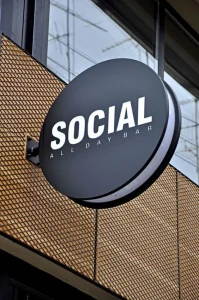
Wayfinding signage is particularly important for customer experience. Clear directional signs help visitors navigate offices, retail stores, and commercial buildings without confusion. This is especially critical in healthcare, education, and corporate environments. Investing in clear way finding signage shows respect for visitors’ time and improves overall satisfaction.
Durability also plays a role in long-term success. Outdoor signs face constant exposure to weather and environmental stress. Selecting appropriate materials and finishes ensures signs remain attractive and functional for years. High-quality fabrication reduces the need for frequent replacements and repairs.
As businesses evolve, signage needs change. New services, rebranding initiatives, or additional locations require adaptable solutions. Working with experienced professionals ensures signage can scale alongside growth, making it an ongoing asset rather than a temporary fix.
